
Histórico
 |
 |
 |
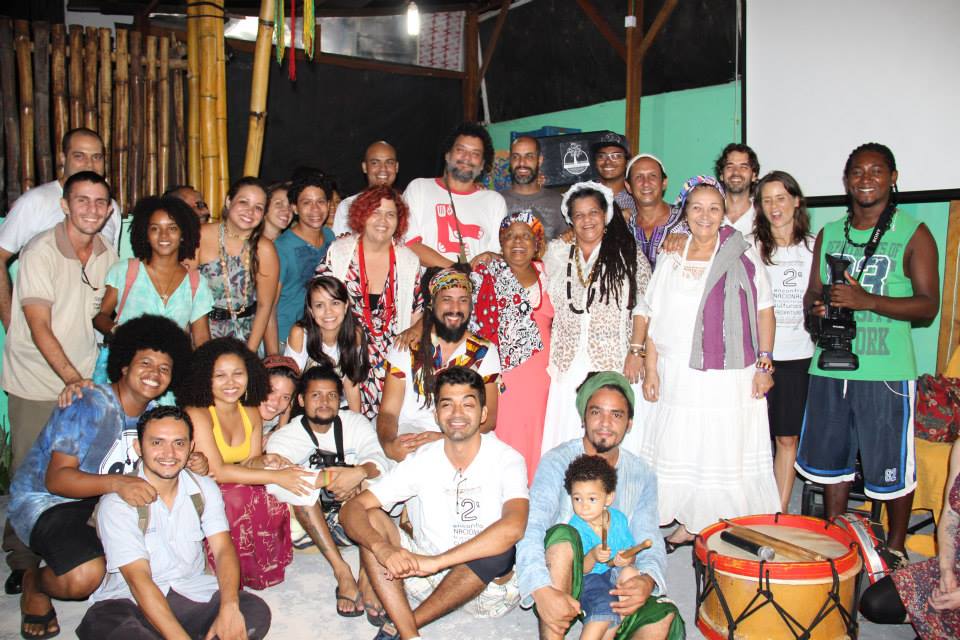 |
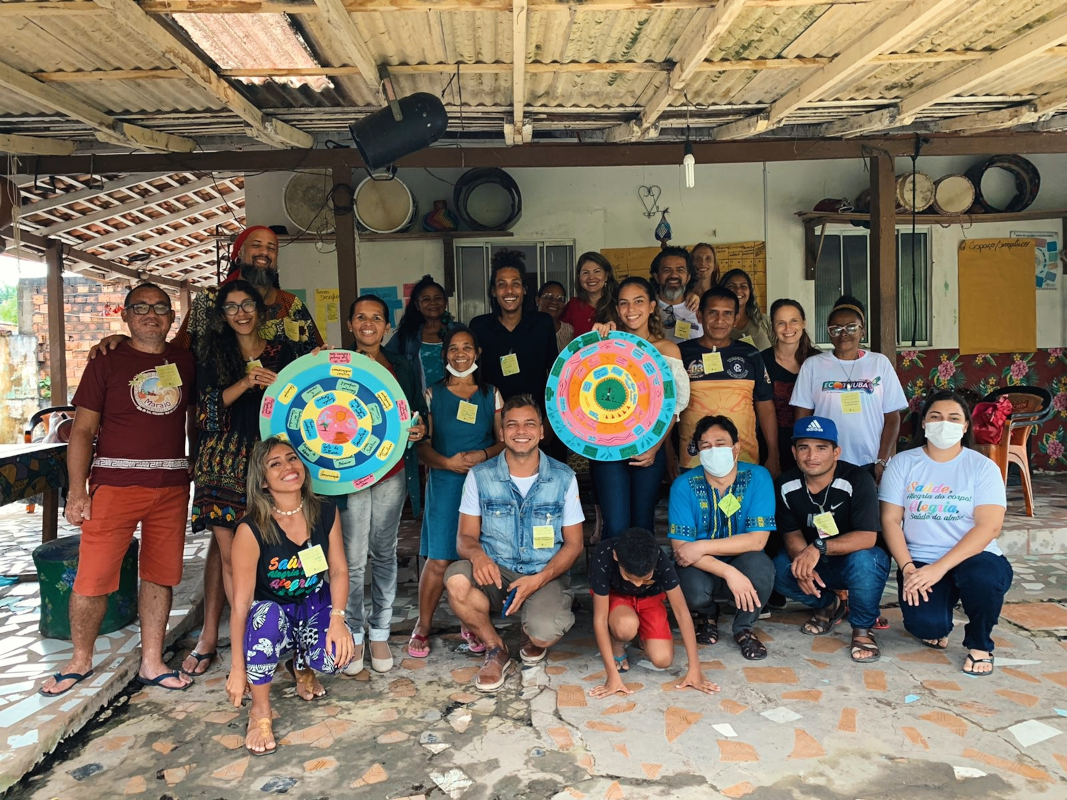
Com 15 anos de atuação, a Casa Preta , quilombo urbano e ponto de cultura, tem construído um histórico em articulação, fomento, formação e preservação cultural e ambiental em políticas públicas e políticas comunitárias com abordagem étnico racial entre territórios da Amazônia e de outros estados como Bahia, Pernambuco, Maranhão e São Paulo.
Atuou por 8 anos com a Rede Mocambos, a nível nacional, com foco em Cultura Digital, Tecnologias sociais e políticas públicas em Territórios tradicionais. Desde 2016 compõe a Rede Nacional de Produtoras Colaborativas realizando junto a outros parceiros o 1º Encontro Nacional da Rede de Produtoras Colaborativas Livres na Amazônia. Em 2016 e 2017 criou o seu Laboratório Digital de Comunicação Livre, que oferece serviços digitais, além de aplicar oficinas e workshops de comunicação comunitária.
Fruto do fortalecimento conjunto entre organizações comunitárias, a experiência da Casa na formação da Rede Aiyê impactou os coletivos; Quintais Eco-Poéticos e Associação De Catadores/as de Reciclagem da Ilha de Caratateua estruturando ações agro ecológicas em quintais periurbanos. Atuante em diferentes redes, mobiliza Terreiros, Pontos de Cultura, Quintais Produtivos, Associação de Catadores e Catadoras da Reciclagem, grupos de pesquisadores de faculdades e universidades e artistas, escolas e grupos comunitários na perspectiva da agro ecologia, da educação e cultura e da economia criativa e solidária.
No campo da cultura estrutura há alguns anos o Programa Sankofa de preservação, memória e difusão da cultura negra na Amazônia tendo como polo principal a oficina permanente de produção de tambores e instrumentos percussivos aliados ao bloco O-orun de aprendizado rítmico. Essa base suscita e promove base para um conjunto de atividades culturais,dentre elas a mais importante é a Sambada,quando a cultura da festa popular se instaura e promove alegrias, espiritualidade, mobilização, encontros e ciclos de economia criativa. A tecnologia social das produtoras culturais colaborativas integra práticas formativas em software livre, metodologias de inclusão digital e produção cultural comunitária orientadas pelos princípios da economia solidária. São iniciativas de desenvolvimento local realizadas em telecentros onde jovens, produtores e gestores culturais,empreendedores e artistas, participam da gestão do espaço e do processo formativo, criando e comercializando produtos e serviços da economia criativa em software e licenças livres e de forma autogestionária. A tecnologia social qualifica espaços de inclusão digital em laboratórios de educação em cultura livre, contribuindo para o registro de suas comunidades.
Produtoras Colaborativas são uma tecnologia social concebida pelo movimento de cultura digital e software livre integrando práticas formativas diversas e em contexto como o da Casa Preta, se aliando à cultura negra e processos criativos artísticos. Essa tecnologia produz uma alternativa de desenvolvimento local a partir de um arranjo produtivo e organizativo.
Dessa forma, a Casa Preta, ao longo de anos compondo a Rede Nacional de produtoras colaborativas , fomentando a cultura digital, propõe aqui incubar a Produtora Colaborativa Sankofa articulando um conjunto de ações e parceiros que ao longo destes últimos anos são responsáveis pela Sambada (festival de cultura popular) e pela oficina permanente de produção de tambores e instrumentos percussivos, associados aos experimentos rítmicos aos quais o Bloco O-orun é o seu destaque.